 GBP
GBPSelecting a Brushless System for Your Vehicle
Updated by Steve W
When choosing a brushless system for your RC car, truck or buggy there are a few things to consider:
The size and weight of your vehicle is the biggest factor. You would not want to run a small motor in a large vehicle. For example, a brushless system designed for buggies or touring cars will not be suitable for use in a large monster truck or short course truck
Lighter, smaller cars can run higher kv motors and use less cells as they do not need the torque that you’d need for a heavier vehicle.
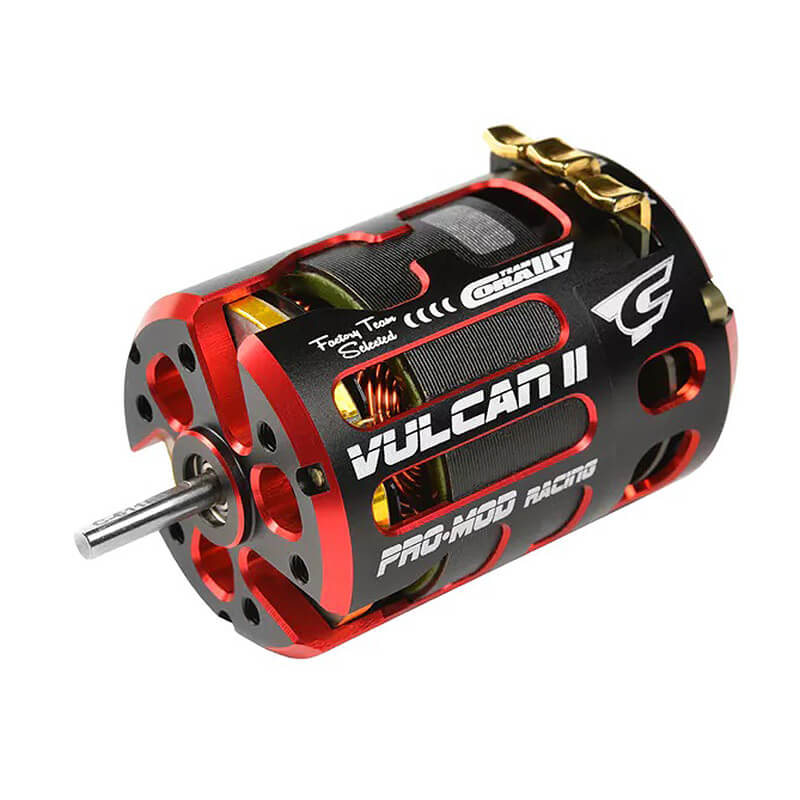
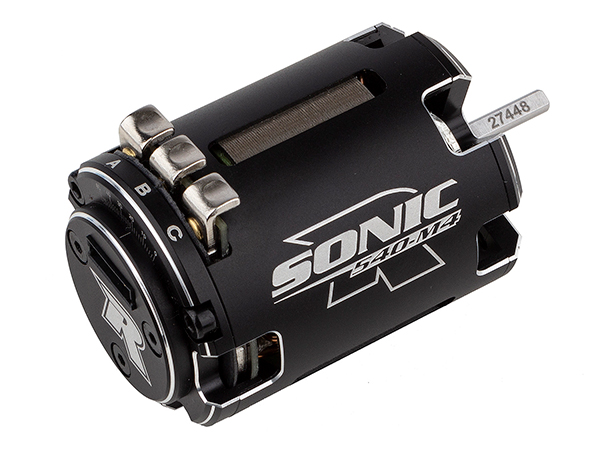
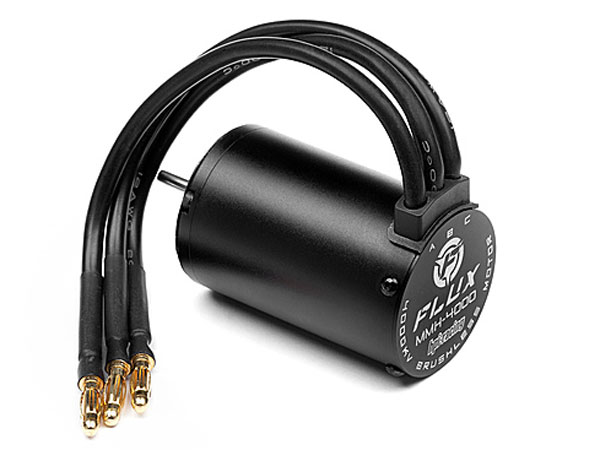
In simple terms, KV = RPM per Volt. So higher KV motors will spin faster for the same voltage. So you just want the highest KV possible right? Wrong…!
In practice, the lower the kv the more torque the motor has and you can then use a higher voltage battery and be geared more aggressively to deliver more power overall.
Motor SizesThe next factor is the size of the motor. Usually this is listed in the description, or can be part of the part number. For example a 3652 brushless motor is 36mm diameter and 52mm long. That’s a pretty typical size and replacement for a standard 1:10 “540 sized” brushed motor.
Most 1:10 scale vehicles use a 36mm diameter motor with varying lengths depending on the weight of the vehicle. Higher length can often mean higher torque. Monster trucks and short course trucks usually run 3660 motor or longer whereas buggies and on road cars tend to run 3652 motors.
When upgrading cars there may be much bigger motors that can be fitted which can handle more voltage and power. For example the Traxxas Slash 4x4 can accommodate a 42mm diameter brushless motor without much in the way of major modifications. 42mm diameter motors are a 1:8 scale motor which will take more voltage and deliver more power - and ultimately speed!
Heres a quick run down of common motor kv and voltage examples. Note these are general examples - we’re always happy to provide more specific details if you get in touch with our team.
This is the general industry standard although there are some motors designed to run higher kv and higher voltages for speed run applications.
Research, Research, Research!When upgrading a motor in any vehicle the key thing is research. Ask questions and read about what others have done before you commit to a setup. A little research may save you a lot of money if you put the wrong motor in the wrong application and damage a very expensive motor or esc (speed control)! Ask away on forums and Facebook groups, or ask our team!
Match PerfectUsually motors and esc are matched for instance most midrange 1:10 motors run a 60-80 Amp ESC and most 1:8 scale motors run a 120-150 Amp ESC as a general rule. You cannot damage a motor by running a high amp esc as long as the voltage the motor can take is observed. However you can damage an ESC by running a motor that pulls too many amps for the esc to cope with.
 Hobbywing EZRUN MAX8 ESC Combo With 2200kv 4274SL Motor - XT90 Connector
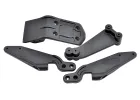 RPM HD Wing Mount System For Arrma 6S Vehicles
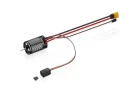 Hobbywing Quicrun Crawler Fusion Pro 2300Kv Sensored Brushless 2-in-1 ESC System
 Traxxas TRX-4M Brushless Power System, waterproof (includes ECM Brushless electronic control module (3-channel) and 3350Kv brushless motor)
 Bluetooth Module for 1:10 Brushless 4S PD Racing Vehicles (PD860R & PD861R)
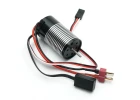 FTX Hobbywing Brushless Motor/ESC FOC 2-In-1 System
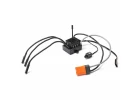 80A Brushless 2-in-1 ESC / SLT Receiver: 3S Vehicles
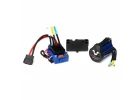 Traxxas Velineon VXL-3S Brushless Power System Waterproof
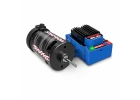 Traxxas BL-2S Brushless ESC and Motor Power System
 Traxxas TRX-4M Brushless Power System receiver, waterproof (for 6250 power system)
 New to Lipo Batteries?
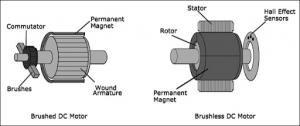 Brushed and brushless, what does it mean?
 Mini Z Xspeed motor upgrade
 Steve W's Top 5 Traxxas Slash 4X4 Upgrades
 Hobbywing Motors - QuicRun vs EZRun vs XERun
 A Beginner's Guide to Selecting the Perfect Electric RC Car
 Safely Charging LiPo Batteries
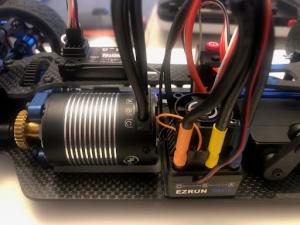 FTX Banzai brushless conversion
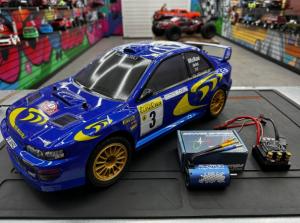 Carisma M48S Subaru Impreza WRC Upgrading Motor & ESC
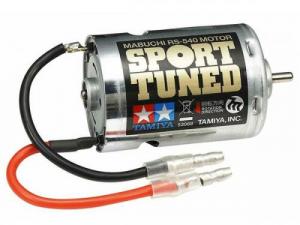 Tamiya Motor information